Forking Open Source Hardware Right: The ANAVI Macro Pad 10 and the Rise of MATOSIC MACROPAD

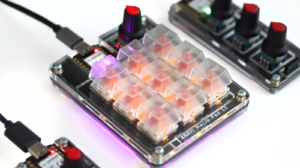
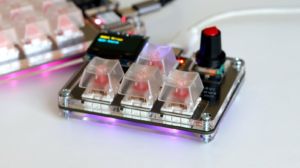
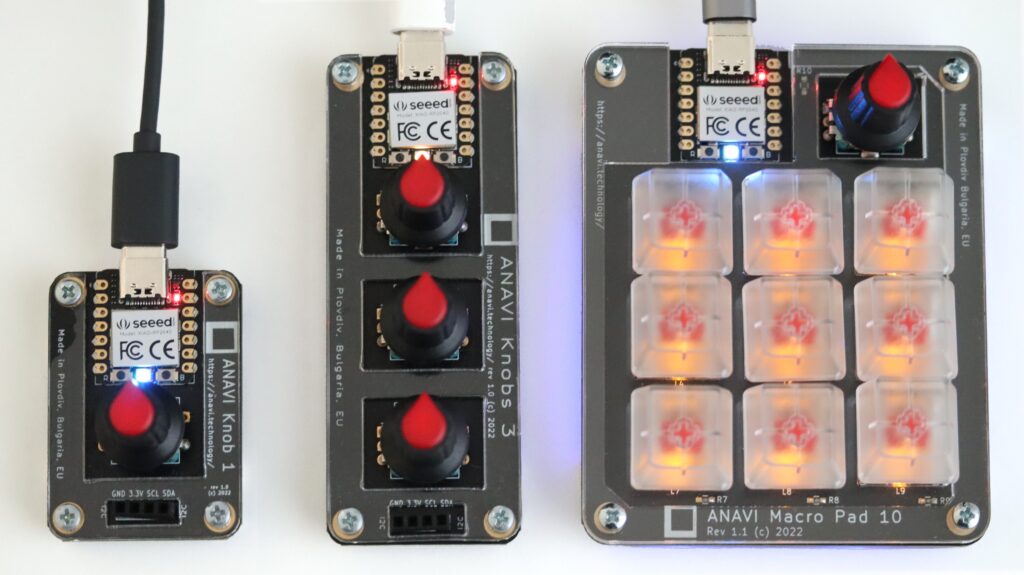
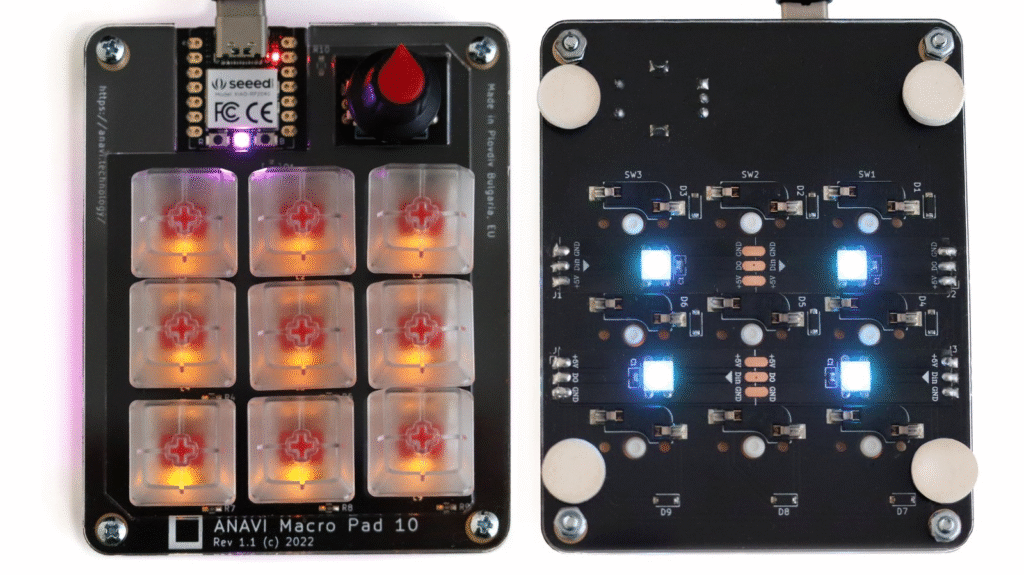
ANAVI Macro Pad 10 is our programmable keypad with 9 mechanical switches and a rotary encoder built around XIAO module with Raspberry Pi RP2040 microcontroller. ANAVI Macro Pad 10 was crowdfunded through Crowd Supply on November 7, 2022 and it is now available at Crowd Supply, Mouser and Lectronz. It illustrates how open hardware can act as a reusable foundation rather than a fixed product. Released under the permissive license Creative Commons Attribution-ShareAlike 4.0 International (CC BY-SA 4.0), ANAVI Macro Pad 10 allows others to study, modify, and fork the design while keeping attribution and share-alike requirements intact. That structure makes it easy for developers to adapt the device for different workflows without starting from scratch.
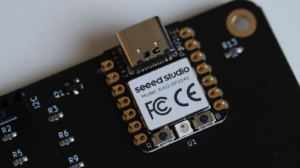
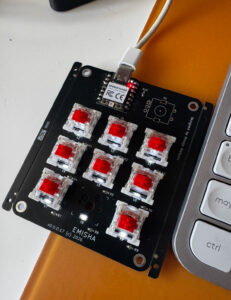
A recent fork is the MATOSIC MACROPAD, created by Hrvoje Matosic in Mexico City. It reworks the original design of ANAVI Macro Pad 10 into a compact macropad aimed at developers using AI-assisted coding tools. What makes this case interesting is not just the fork itself, but how naturally it extends the original design’s intent. The ANAVI Macro Pad 10 was never locked to a single use case, which makes it flexible enough to evolve into tools for new computing trends like AI-driven development workflows. This kind of reuse is exactly what open hardware licensing is meant to enable.
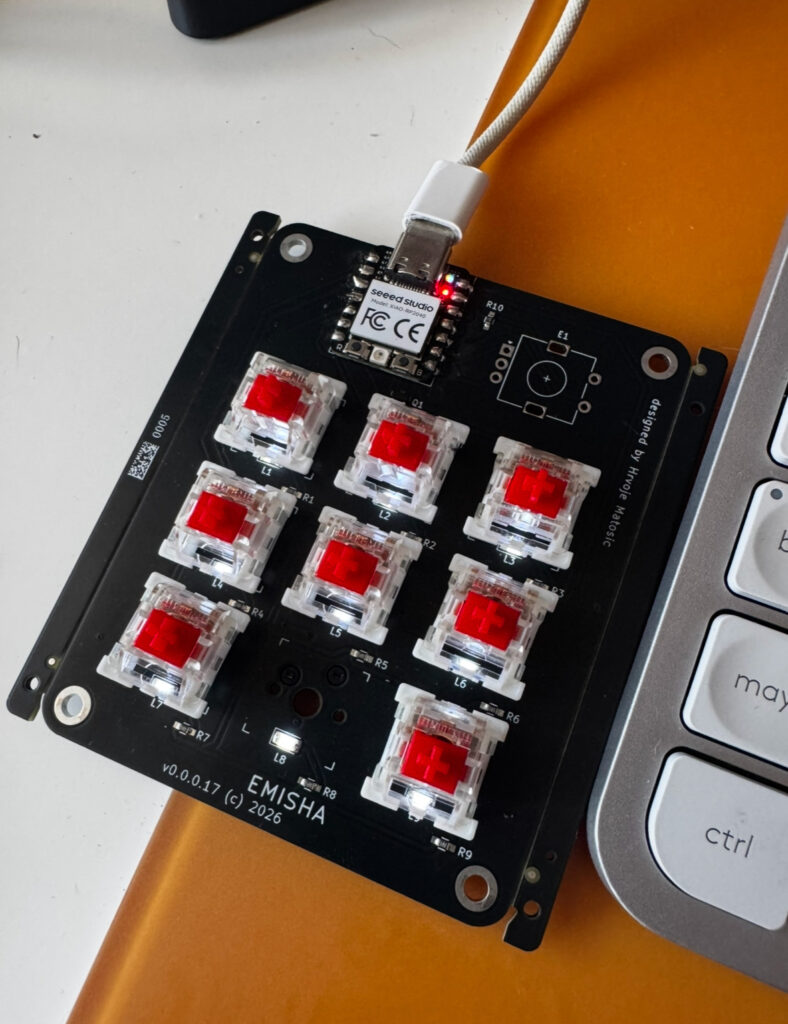
Screenshot

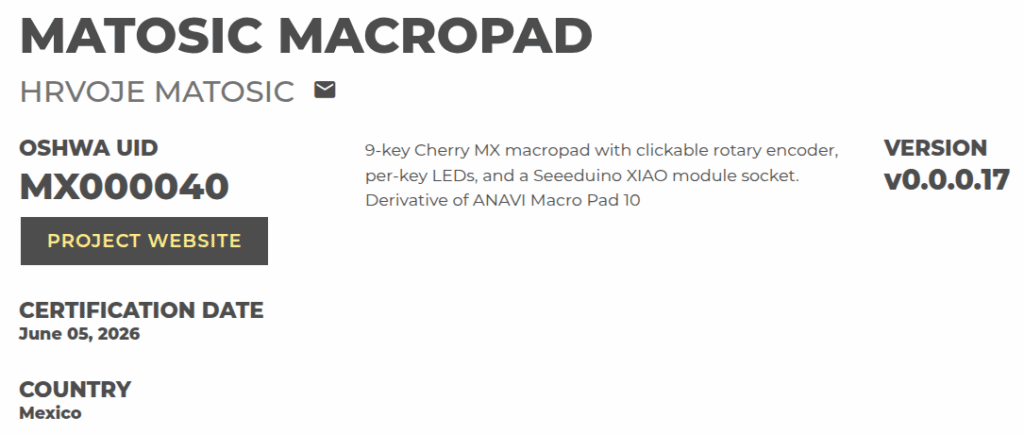
The project has also been certified by the Open Source Hardware Association with UID MX000040 on June 05, 2026, marking it as an officially recognized open hardware derivative from Mexico.
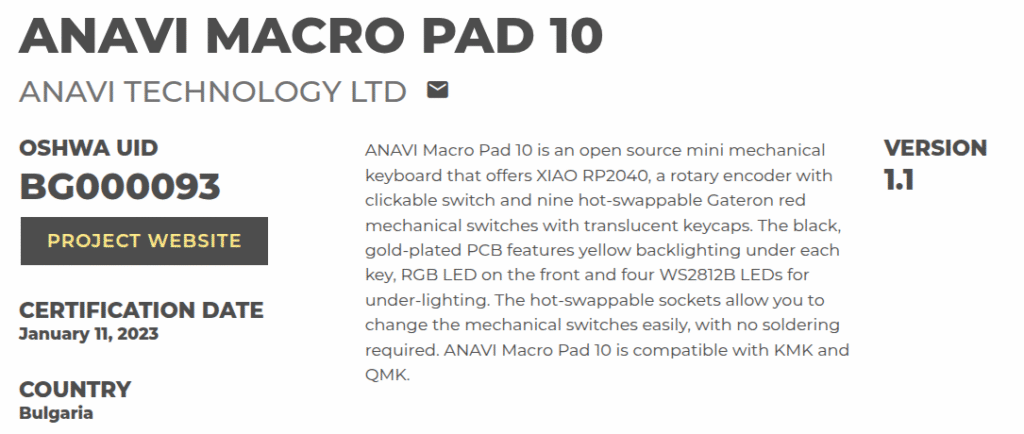
ANAVI Macro Pad 10 was also certified by the Open Source Hardware Association with UID BG000093 on January 11, 2023. Hrvoje shared his fork on GitHub. In this context, each derivative project strengthens the original ecosystem. The MATOSIC version does not replace the ANAVI design, it builds on it, showing how small, well-documented devices can become platforms for experimentation and productization.

Overall, the ANAVI Macro Pad 10 demonstrates how open source hardware grows through iteration. Its value is not only in what it is, but in what others can turn it into, from hobby builds to even certified commercial products!

You may also like

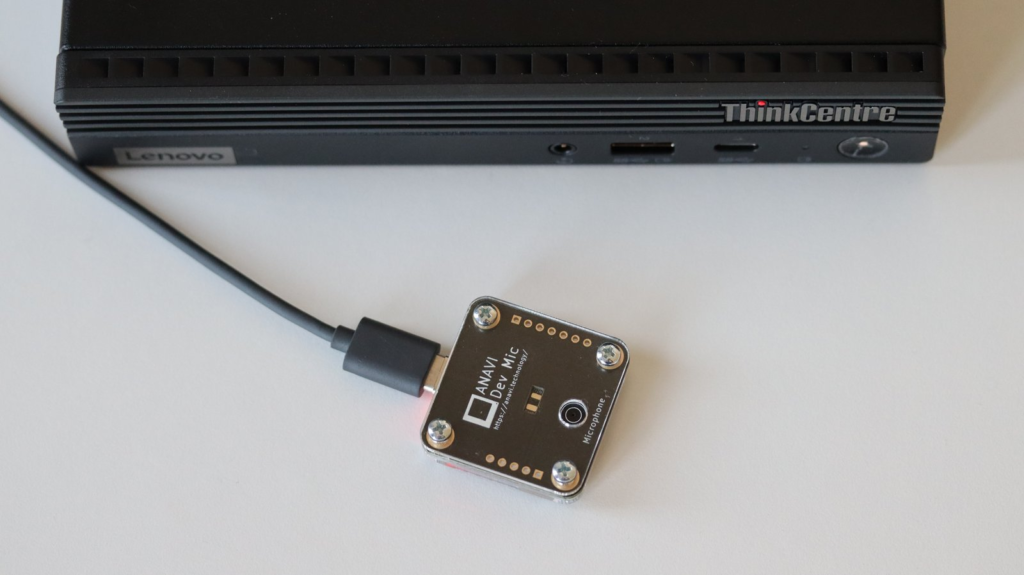
Step-by-Step Video Guide: Assembling Your ANAVI Dev Mic

The ANAVI Dev Mic is a small, open-source microphone kit designed for hobbyists and developers. It’s easy to assemble on your own, even with minimal tools. While you can complete the assembly using just your hands, a screwdriver will make the process quicker.

Components

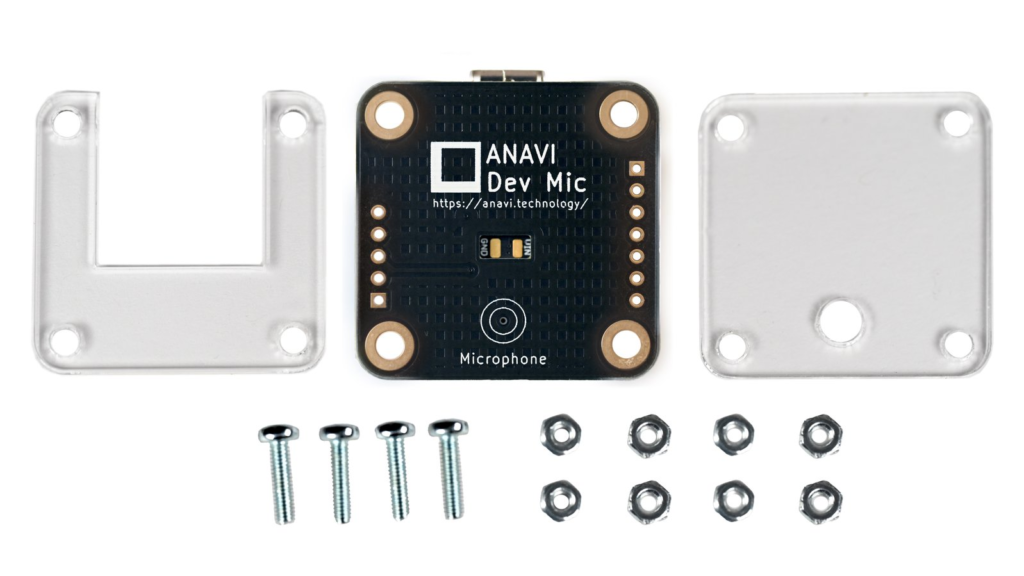
When you open the ANAVI Dev Mic kit, you’ll find the following parts:

  • Black PCB with gold plating and white markings
  • Acrylic top cover
  • Acrylic bottom cover
  • Four 10 mm screws (M2.5)
  • Eight M2.5 nuts

NOTE: The kit does not include a USB-C cable. You can use one you already have or buy one separately.

Step 1: Remove Protective Layer

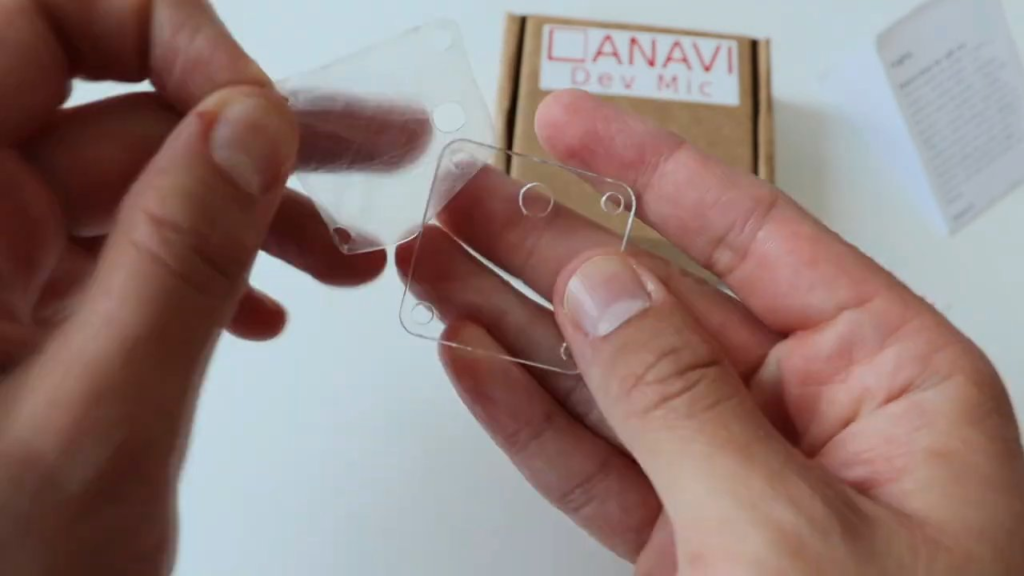
The acrylic covers are laser-cut and come with a protective film on both sides. Carefully peel off this film to reveal the clear acrylic.

Step 2: Attach the Top Cover

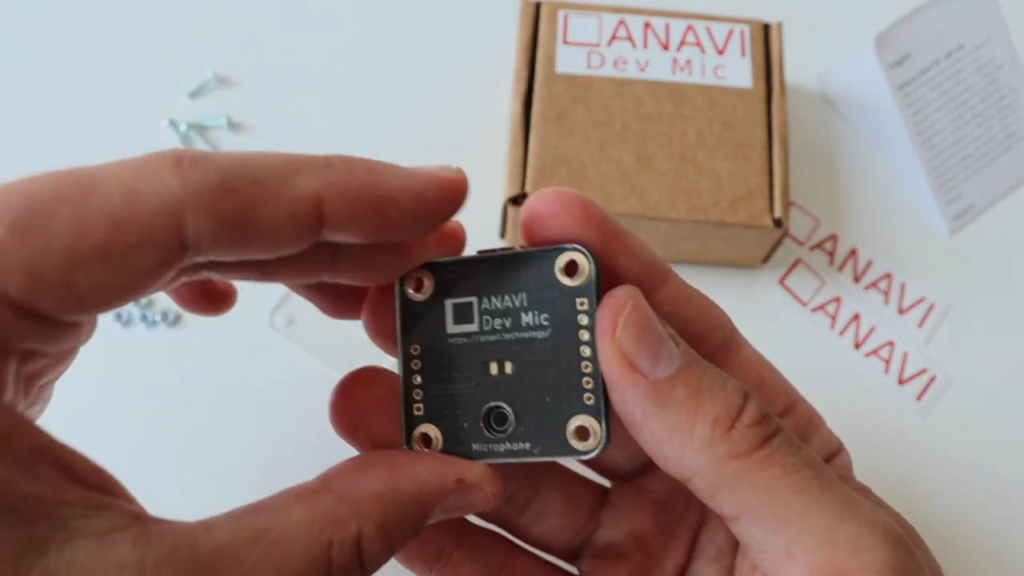
Take the PCB and the top acrylic cover, which has a circular cutout for the microphone. Align the cover with the corresponding circle on the PCB. Insert a screw into each of the four mounting holes and secure them with the nuts provided.

Step 3: Install the Bottom Cover

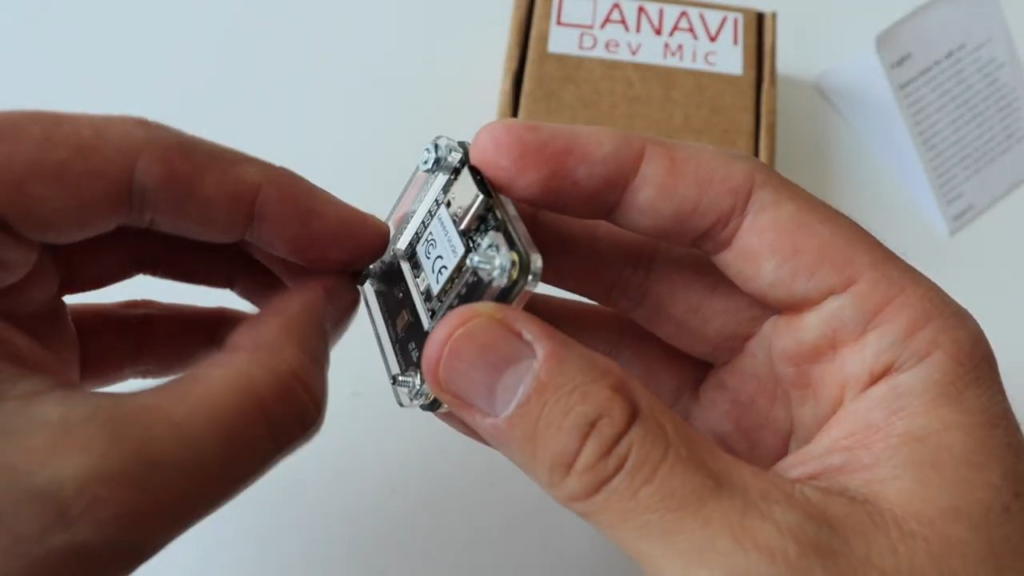
Next, place the bottom acrylic cover over the side of the PCB where the XIAO RP2040 module is located. Secure the cover by tightening it with the remaining four nuts.

Step 4: Connect and Use

With these simple steps completed, your microphone is ready to go. Just plug ANAVI Dev Mic into your computer using a USB-C cable, and you’re good to go!

You may also like

ANAVI Handle was Certified as Open Source Hardware with UID BG000134

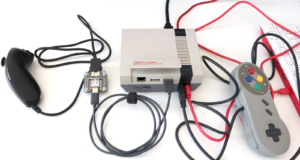
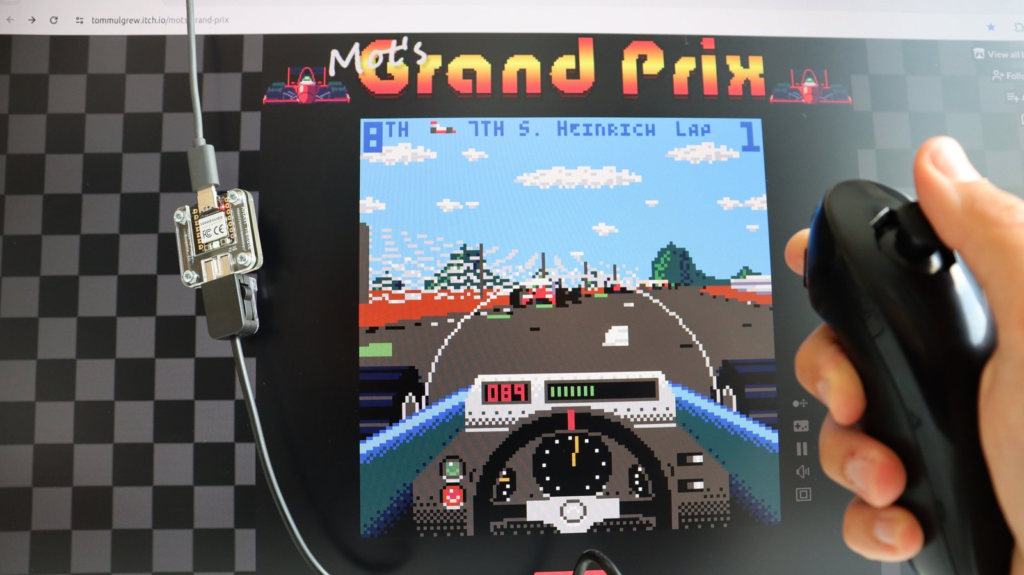
The Open Source Hardware Association (OSHWA) officially certified our new gadget ANAVI Handle in April. ANAVI Handle is a small USB-C adapter with XIAO RP2040 that allows you to use Wii Nunchuk-compatible controllers as USB HID peripherals on your personal computer. You can configure ANAVI Handle to adapt the controller as a joystick, keyboard or a mouse.

OSHWA, a prominent U.S.-based non-profit, manages the Certified Projects Directory and annually hosts the prestigious Open Hardware Summit. Their certification program ensures that a project’s interpretation of “open source hardware” aligns with the community’s standards, promoting transparency and accessibility.

Each certified hardware version is identified by a unique identification number (UID) that includes a country code and a numerical sequence. On April 19th, ANAVI Handle version 1.0 was certified with the UID BG000134. This UID, displayed through the OSHW Certification Mark, simplifies navigation and information access for interested parties. The “BG” prefix indicates that the ANAVI Handle is from Plovdiv, Bulgaria, a city renowned as Bulgaria’s second-largest and Europe’s oldest continuously inhabited city, with over 6000 years of history.

Our projects, including the ANAVI Handle, are distinguished by our unwavering commitment to complete openness. Every aspect of our design and functionality is made accessible to all, reflecting the true spirit of the open-source community. From the KiCad-designed printed circuit board to the highly-configurable firmware powered by CircuitPython, we exclusively use free and open-source software.

We launched ANAVI Handle on the market through a successful crowdfunding campaign at Crowd Supply. Place your order now to be among the first to experience the ultimate open-source USB adapter for your Nunchuk controller!

You may also like

Introducing ANAVI Macro Pad 12 and ANAVI Arrows

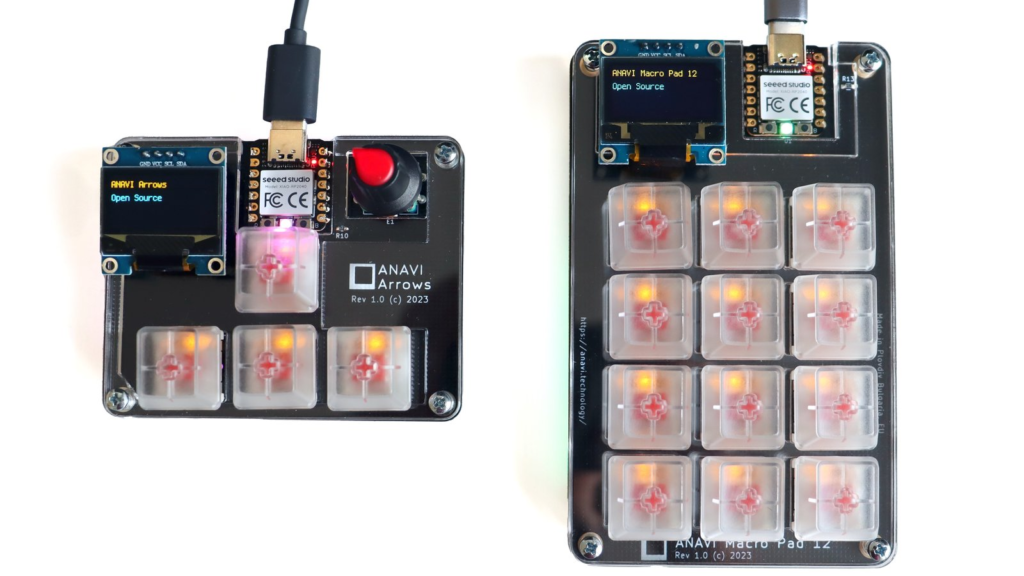
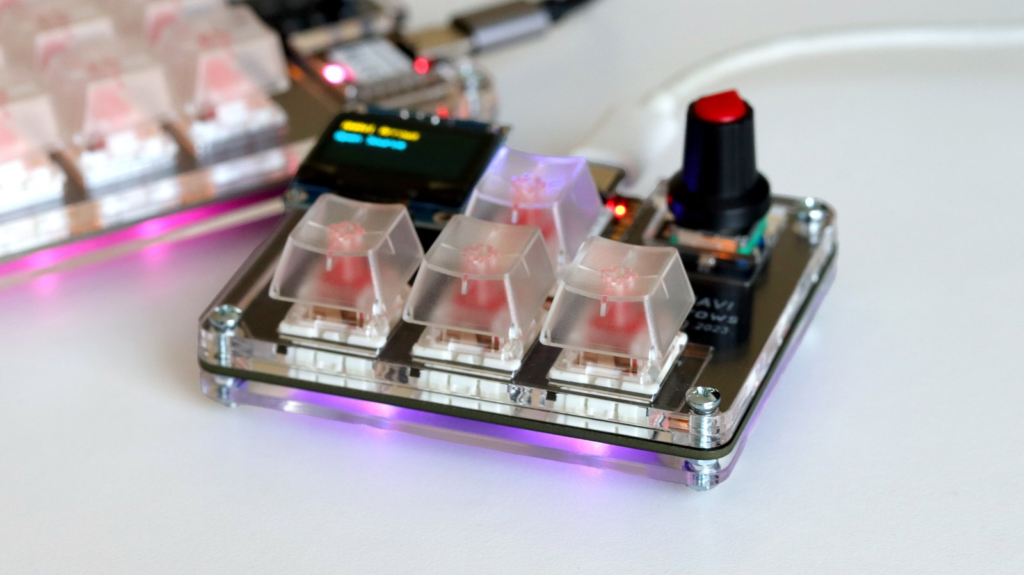
We are back with two brand new fully programmable, open source, hot-swappable compact mechanical keyboards: ANAVI Macro Pad 12 and ANAVI Arrows. The crowdfunding campaign is now live at Crowd Supply!

ANAVI Arrows and Macro Pad 12


Both ANAVI Macro Pad 12 and ANAVI Arrows feature high-quality gold-plated circuit boards designed with the free and open source software KiCad. These compact keyboards are driven by the Seeed Studio XIAO RP2040 with Raspberry Pi RP2040 microcontroller, ensuring top-notch performance. Equipped with a USB-C connector and a charming mini yellow-blue OLED display, they combine functionality with visual appeal. Thanks to the popular open-source KMK firmware written in CircuitPython, personalizing keyboard layouts and macros becomes a breeze.

ANAVI Arrows

Import your typing experience with our bright and shiny compact mechanical keyboards, made in Plovdiv, Bulgaria, EU. Support our crowdfunding campaign and help us bring these unique and high-quality open source keyboards to life.

You may also like

ANAVI Macro Pad 10 & Knobs are Funded!

The launch of our crowdfunding campaign was a blast! ANAVI Macro Pad 10, ANAVI Knobs 3, and ANAVI Knob 1 were all fully funded and all stretch goals were met in the first week. Thanks to all backers and Crowd Supply for bringing life to these three entirely open source projects!

As part of the covered stretch goals, each kit will include stickers from ANAVI Technology and KiCad, the free and open source CAD software used for designing the printed circuit boards of the keyboards. Furthermore, ANAVI Macro Pad 10 kits will include 32 super-cool emoji stickers. You can stick them on the top or sides of the translucent keycaps. Last but not least, we’ll be publishing various video tutorials to ensure getting started is easy.

One more thing… Recently, our mini mechanical keyboards were featured in an article by CNX Software. This is a very popular website with news and tutorials about embedded systems, makers, and open source hardware. It was started in 2010 by Jean-Luc Aufranc. By the way it is worth keep an eye on CNX Software because there are always news about interesting gadgets!

You may also like

ANAVI Macro Pad 10 and Knobs are Here!

One, two, three new products! After several months of development we are happy to present you 3 new open source hardware mini mechanical keyboards and knobs. The crowdfunding campaign started on Monday!

ANAVI Knob 1, ANAVI Knobs 3 and ANAVI Macro Pad 10

ANAVI Macro Pad 10, ANAVI Knobs 3 and ANAVI Knob 1 all come with gold-plated black printed circuit boards, Raspberry Pi RP2040 microcontrollers, USB-C connector and clickable rotary encoders. The popular open source KMK firmware allows you to easily program and configure custom keyboard layouts and macros using CircuitPython.

ANAVI Knobs 3

Once again we rely on Crowd Supply for the crowdfunding. The campaign has a very modest goal of just $1 and it has been already funded. Our plan is to make the keyboards in Plovdiv, Bulgaria, EU thanks to the trusted supply chain we have established throughout the years. We hope you will jump in and help us bring these entirely open source mechanical keyboards to life!

ANAVI Knob 1, ANAVI Macro Pad 10 and ANAVI Knobs 3

You may also like

ANAVI Macro Pad 10 and Knobs Coming Soon

With Crowd Supply we are preparing a new crowdfunding campaign for 3 open source hardware mechanical keyboards: ANAVI Macro Pad 10, ANAVI Knobs 3 and ANAVI Knob 1.

ANAVI Macro Pad 10, ANAVI Knobs 3 and ANAVI Knob 1

There are many common things between these 3 mini mechanical keyboards:

  • Seeed XIAO RP2040 – a power module with USB-C and Raspberry Pi RP2040 MCU from Seeed Studio
  • Rotary encoders
  • KMK – an open source firmware for mechanical keyboards written in CircuitPython
  • Open source hardware designed with the free and open source software KiCad

Subscribe at our pre-launch page at Crowd Supply to be the first to know when we launch the crowdfunding campaign!

You may also like